
Parrot Island Scuba Adventures is a family-owned and operated scuba diving charter in Pompano Beach, Florida, just north of Fort Lauderdale.
We offer unforgettable South Florida scuba diving tours, including reef dives, shark encounters, and guided underwater adventures along the beautiful Florida coast.
At Parrot Island Scuba Adventures, we specialize in reef diving in Pompano Beach, Fort Lauderdale scuba diving trips, and shark diving experiences in Florida for divers of all skill levels.
Our passionate crew are experienced divers who love travel, ocean exploration, and sharing the magic of the underwater world.
We are known for providing safe and enjoyable beginner scuba diving experiences in Florida, making it easy for first-time divers to discover coral reefs, tropical fish, and even their first shark encounter.
Our dive charter in South Florida is designed for adventure seekers, families, and ocean lovers looking for something truly unforgettable.
Guests often enjoy underwater adventure tours in Florida, where they can explore vibrant marine life and stunning reef systems while building confidence in the water.
Many visitors also form lifelong friendships on board, making every trip more than just a dive—it’s a shared ocean experience.


our services
Scuba Diving in Pompano Beach, Florida
Spend Your Time Diving
We have some of the best diving around. We offer over 30 wrecks, 3 reef lines, drift diving, night diving, spearfishing, technical diving, snorkeling and instruction.
Quality Diving Training
You can dive Parrot Island in clear, warm waters with fantastic visibility and diversity of marine life which makes it excellent for diving and snorkelling or if you've never been diving..
Groups/Dive Clubs
Whether you are a group of friends heading down to get wet, or an organized dive group, you'll find Parrot Island Scuba Adventures to be accommodating to your needs.
Why Dive With us?
What a great question. With so many dive boats and shops in the area, what sets any one apart from the others? That decision is up to the individual
OUR PRICES
CHECKOUT OUR PACKAGES

2 Tank Dive Trip
Experience an exhilarating 2-tank dive trip, exploring vibrant coral reefs and diverse marine life in crystal-clear waters with expert guides.

3 Tank Dive Trip
Experience an exhilarating 3-tank dive trip, exploring vibrant coral reefs and diverse marine life in crystal-clear waters with expert guides.

2 Tank Night Dive
Experience an exhilarating 2-tank night dive trip, exploring vibrant coral reefs and diverse marine life in crystal-clear waters with expert guides.

Bubblewatcher
A Bubblewatcher is a non-diving companion who joins a dive trip, enjoying snorkeling, sightseeing, and relaxing while divers explore underwater.

Snorkeling
Snorkeling is a fun water activity where you swim on the surface using a mask, snorkel, and fins to explore marine life.

Tank Rental
Tank rental provides scuba divers with high-quality air or nitrox-filled tanks for safe and enjoyable underwater exploration on dive trips.

Nitrox Rental
Nitrox rental offers enriched air tanks with higher oxygen content, reducing nitrogen absorption for longer, safer dives and shorter surface intervals.

Gear Rental
Gear rental provides essential scuba equipment, including BCDs, regulators, wetsuits, masks, fins, and snorkels, ensuring a safe and comfortable dive experience.

Open Water Course
Includes on-line academics, pool sessions, gear rental, 4 open water dives & certification card.


learn with us
Technical diving
Our diving area in South Florida is home to nearly a dozen historic deep-water shipwrecks in Pompano Beach and Fort Lauderdale, located beyond recreational, no-decompression limits.
Well-known wreck dive sites include the Miller Lite wreck, the R.B. Johnson wreck, and the Hydro Atlantic wreck, along with several other impressive offshore wrecks.
At Parrot Island Scuba Adventures, we offer specialized wreck diving charters in Florida for certified and experienced divers looking to explore these advanced dive sites.
These deep wreck scuba diving trips in South Florida provide an exciting opportunity to explore historic shipwrecks, encounter marine life, and experience true offshore adventure diving.
Because these sites are beyond standard recreational limits, advanced scuba diving charters in Pompano Beach are available only to organized groups with prior booking and advance notice.
For divers seeking technical-style wreck diving experiences near Fort Lauderdale, these trips deliver some of the most thrilling underwater exploration in the region.
Testimonials
What they say
I called several dive shops about 20 miles north of Parrot Island Scuba, looking for a dive boat. Captain Jerry was HIGHLY recommended by 2 different shops, even though he was much further south, and there were dive boats near those shops, which gave me good confidence. They were right; captain Jerry and crew were very professional, courteous, knowledgeable, and thoroughly explained each dive location down to exact details.
pancaketwo
Houston, Texas!Parrot Island Scuba is my go to dive boat here in South Florida. Jerry and Kim are cool, laid back, easy going but still keep very high safety standards on the dives. I have dove with them for over 3 years now and I highly recommend them if you are local or coming in from out of town and just want a cool boat/dive crew to do some awesome diving.
Paul S
Fort Lauderdale, FLCaptain Jerry and wife Kim do an awesome job, club members were fun, boat is great. My Grandson was on his 4th dive experience in the ocean with Gramma, his first deeper dive at 60 -70 feet. 14 divers today. Had terrific briefings, and called the dives "easy". We are from Colorado. (The Florida divers get lots more experience for sure.) I got a bit stressed, but we got through it.
Kmermaid
Denver, COGerry an Kim are AWSOME! Had friends in from across the state. They were recently certified an a bit nervous. They made all that disappear. Friday night we did the night dive was great. Viz was good an saw plenty of cool stuff. Saturday morning we dove again. Great weather an again many creatures to see. Sunday morning was last dive on the Jim Atria. How awesome can a trip end. The viz was great the whole trip was fabulous !
Giznut
Pompano Beach, FLI've actually gone with this charter numerous times, with the Tenneco Towers dive being the most recent. This husband and wife team is good at what they are doing, and a lot of fun. We did a three tank dive for the Tenneco Towers trip, with plenty of food and drinks to sustain the group for the whole day. I love these guys.
Robert R
Pompano Beach, FLSo far, this is my favorite dive charter. Jerry and Kim dropped us right on target every dive. Gave good briefing before each. And in general, took good care of everyone. I've already booked another weekend with them. Didn't bother looking at other charters.
Andrew D
Orange Park, FLParrot Island Scuba Adventures is located in Pompano Beach, Florida just north of Fort Lauderdale. They are a family owned and operated dive charter. They all dive, travel and LOVE adventure. They are passionate about what we do. That's what makes them unique.
legaltraveller
Miami, FLWe have had nothing but wonderful dive experiences with Captain Jerry. Our DM was Kim and both she and Jerry were knowledgable, personable and professional. They provide a first-class personal dive experience sharing their knowledge of what FLL-area dive sites have to offer. Rates are a great value and the diving even better.
Christina J
One of the best!The boat is clean, the crew is so nice and friendly. Capt. Gerry knows the diving in the area like the back of his hand. The rates are good and even a non diver can tag along for a small "bubble watcher" fee. Reef dives, wreck dives, night dives; they do it all. If you want to do some diving in the Pompano area give them a try.
H. Dixon
Nice, friendly dive operationendless opportunities
for underwater discovery
Uniting the World's
largest tribe of divers
Improving the health of
our ocean planet

35
years of
experience
About scuba center
Spend Your Time Diving...
Not Driving
We have some of the best diving around. We offer over 30 wrecks, 3 reef lines, drift diving, night diving, spearfishing, technical diving, snorkeling and instruction. All the critters are here too. Tropical and sport fish, turtles, eels, rays and several different species of sharks, even whale sharks! ALL of our staff are certified and insured divemasters and instructors.
Discover more
Join And get some benefits
Groups/Dives Clubs
Whether you are a group of friends planning a fun underwater
getaway or an organized dive club visiting South Florida, Parrot Island Scuba Adventures is ready
to accommodate your diving and vacation needs. We specialize in hosting group scuba diving trips
in Pompano Beach and Fort Lauderdale, offering flexible options for both
small private groups and large organized dive clubs.
Our team provides customized Florida dive vacation
experiences, including wreck diving charters, reef diving trips,
night diving adventures, snorkeling excursions, and scuba instruction for groups
of all experience levels.
More Info
from the blog
News & Articles
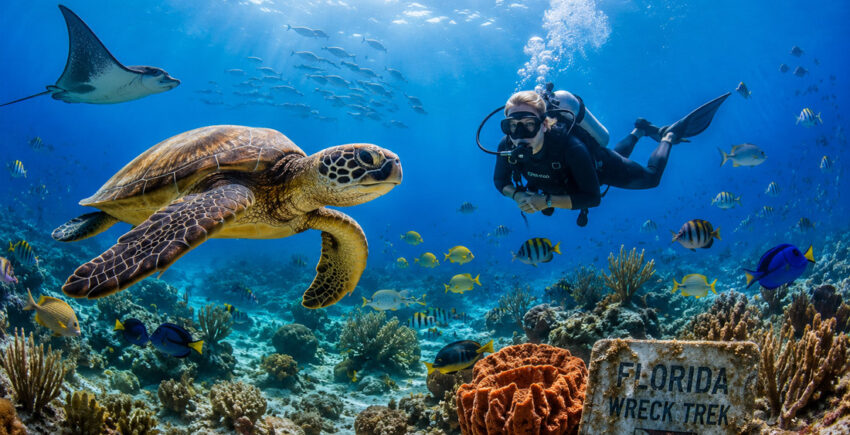
Marine Life Diving Florida 9 Beginner-Friendly Sites
In this guide, we’ll explore nine beginner-friendly locations perfect for Marine life diving Florida enthusiasts and d...
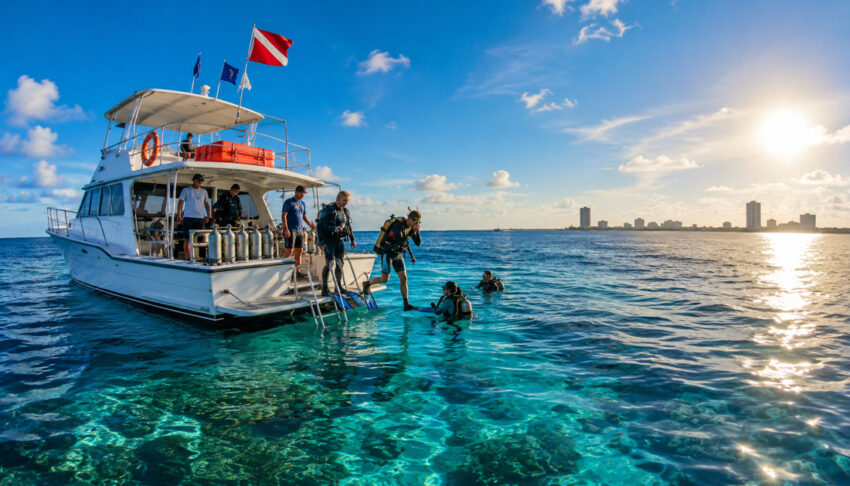
South Florida Dive Boats 8 Benefits of Booking with Us
South Florida has earned a global reputation as one of the most exciting diving destinations in the United States. From ...
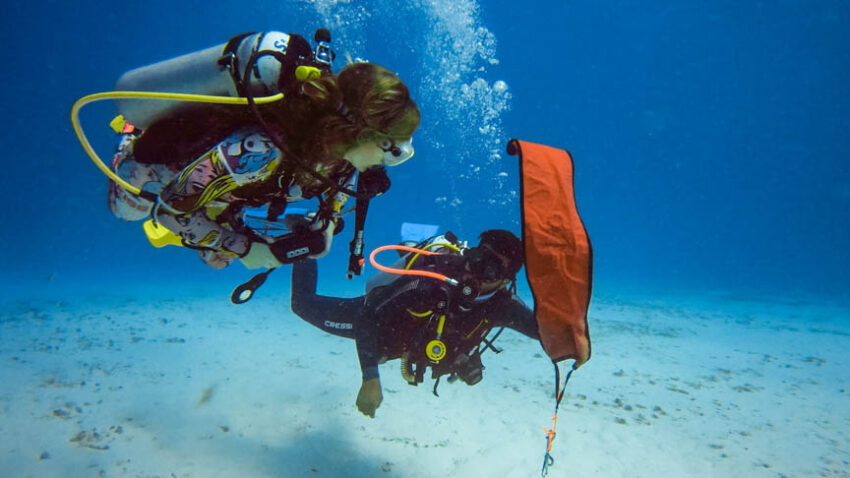
Scuba Gear Rental Florida 10 Cost-Saving Tips
Florida is one of the world’s top scuba destinations, attracting divers from around the globe with warm water, coral r...
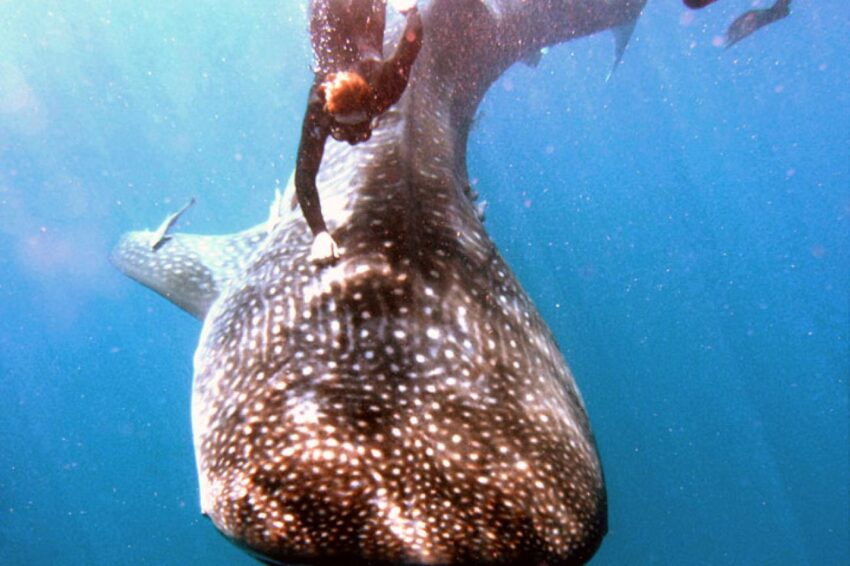
9 Advantages of A drift diving Pompano Beach Over Shore Diving
Scuba diving in South Florida has become one of the most exciting underwater experiences in the United States, especiall...
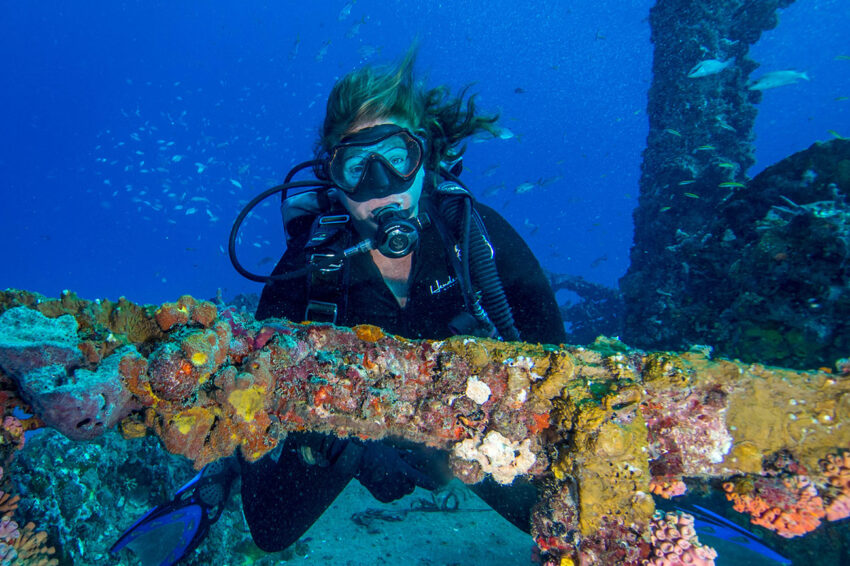
Diving South Florida: 7 Entry Techniques You can Learn
In this comprehensive guide, you’ll learn seven essential entry techniques used in Diving South Florida, along with pr...
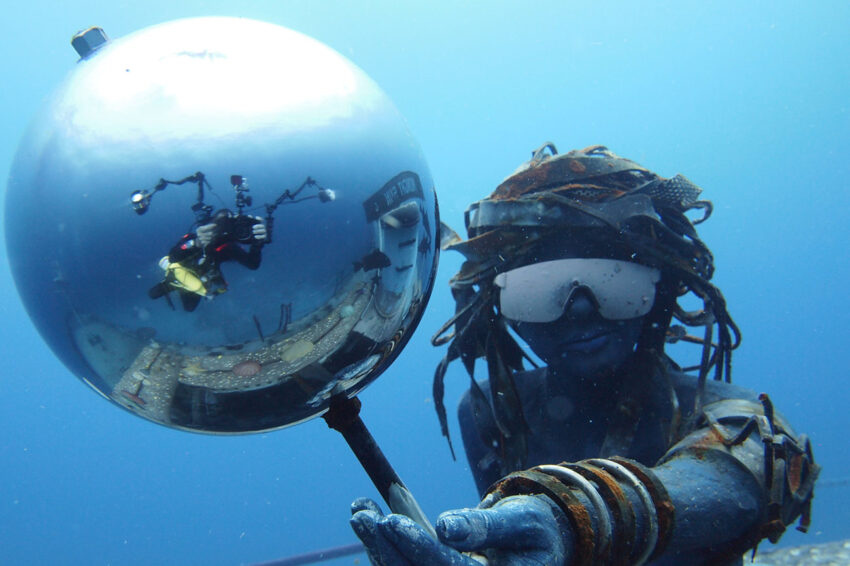
6 Wreck Sites to Explore While Diving South Florida
Whether you’re an experienced diver or just beginning your journey into wreck exploration, Diving south Florida provid...
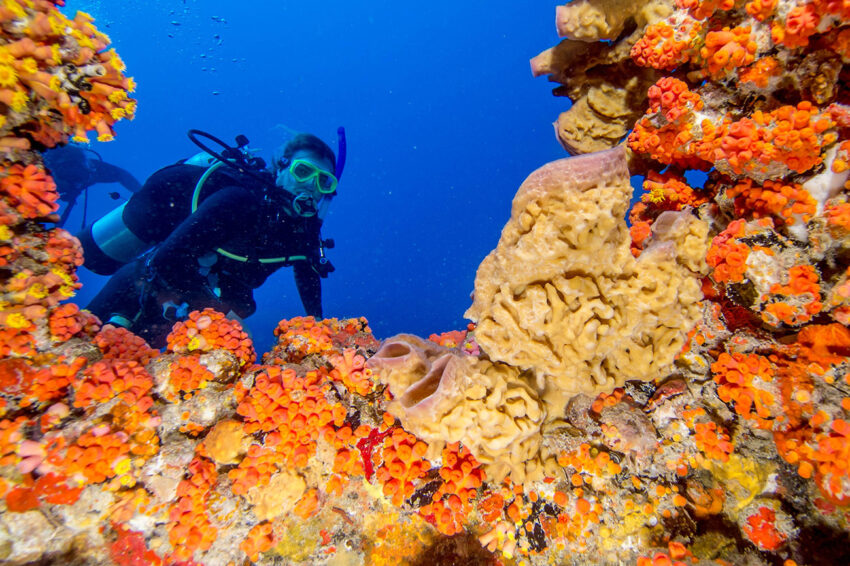
Scuba Diving Trips Florida 8 Dive Styles You Can Try on
In this comprehensive guide, we’ll explore 8 dive styles you can try on scuba diving trips Florida, helping you choose...

© Copyright 2026 by
Dot Web Inc